
Beavercreek Septic Tank Pumping Service
When a tank is overdue, Beavercreek properties can go from minor plumbing warnings to urgent needs fast. Byers Septic Service provides septic tank pumping for regular maintenance and emergency needs, with attention to access lids, driveways, and getting service moving.
- Fast
- Affordable
- Dependable
Same Day Service
In most cases
Please fill out the form below and we will contact you shortly.
Beavercreek Septic Pumping Support
For many Beavercreek homes and businesses, pumping is the septic task that prevents small warnings from becoming messy interruptions. Byers Septic Tank Service is a third-generation business operating since 1959, serving residential, commercial, and emergency septic needs with respect for the customer and the property. If your tank is part of regular maintenance, or if backups and gurgling suggest it should be checked now, the next step is simple: call and arrange pumping before the system is under more strain.
How Septic Tank Pumping Gets Done
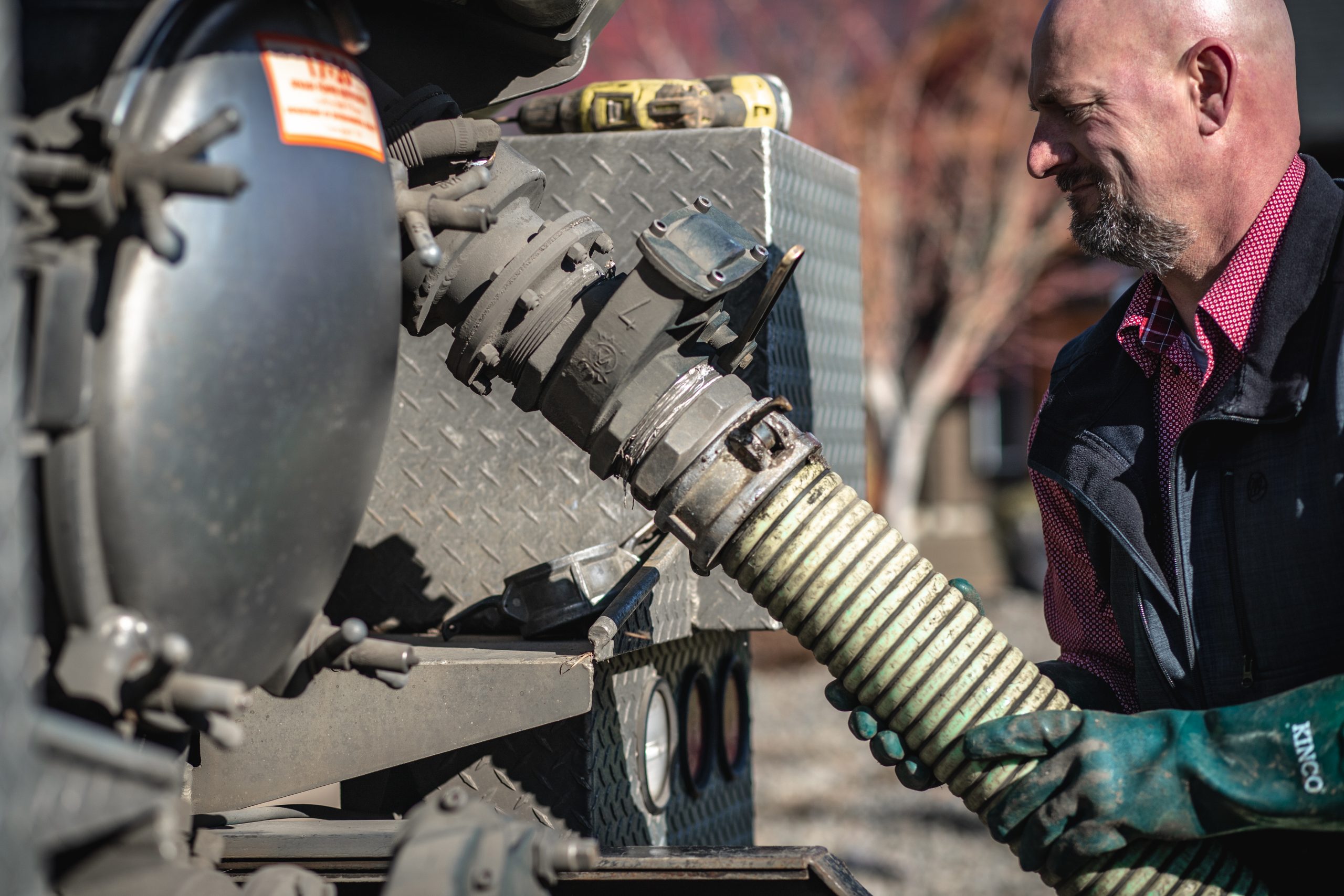
On a pumping visit, the crew locates the tank access lid, which may be plastic, fiberglass, or concrete, then begins pumping the tank. The process commonly takes about half an hour, depending on tank size. If heavier grease or solid waste is present, the service may include added tank cleaning. For Beavercreek properties with longer drives or wooded areas, knowing the lid location can help the visit move more smoothly.
After pumping, we get everything back to looking how it was before we arrived and head out to dispose of the waste at the county wastewater treatment center. This whole process usually takes less than an hour on-site, unless there are complicating factors.
Are you ready to get your septic tank pumped? Get in touch to schedule a time for our trucks to come to you. Talk with our Beavercreek septic tank pumping services team today!

Why Beavercreek Septic Tanks Need Regular Pumping Service
Septic tanks are easy to forget until a toilet backs up or a line starts to gurgle. Routine pumping gives owners a clearer maintenance rhythm and reduces guesswork, especially when the tank serves a busy household, shop, or rural property where access takes planning.
How a Septic Tank Works
Before we talk too much about a septic tank itself, we should discuss how a septic tank is just a part (albeit an important part) of a larger conventional septic system, which is made up of sewer lines, the septic tank, and the drainfield.
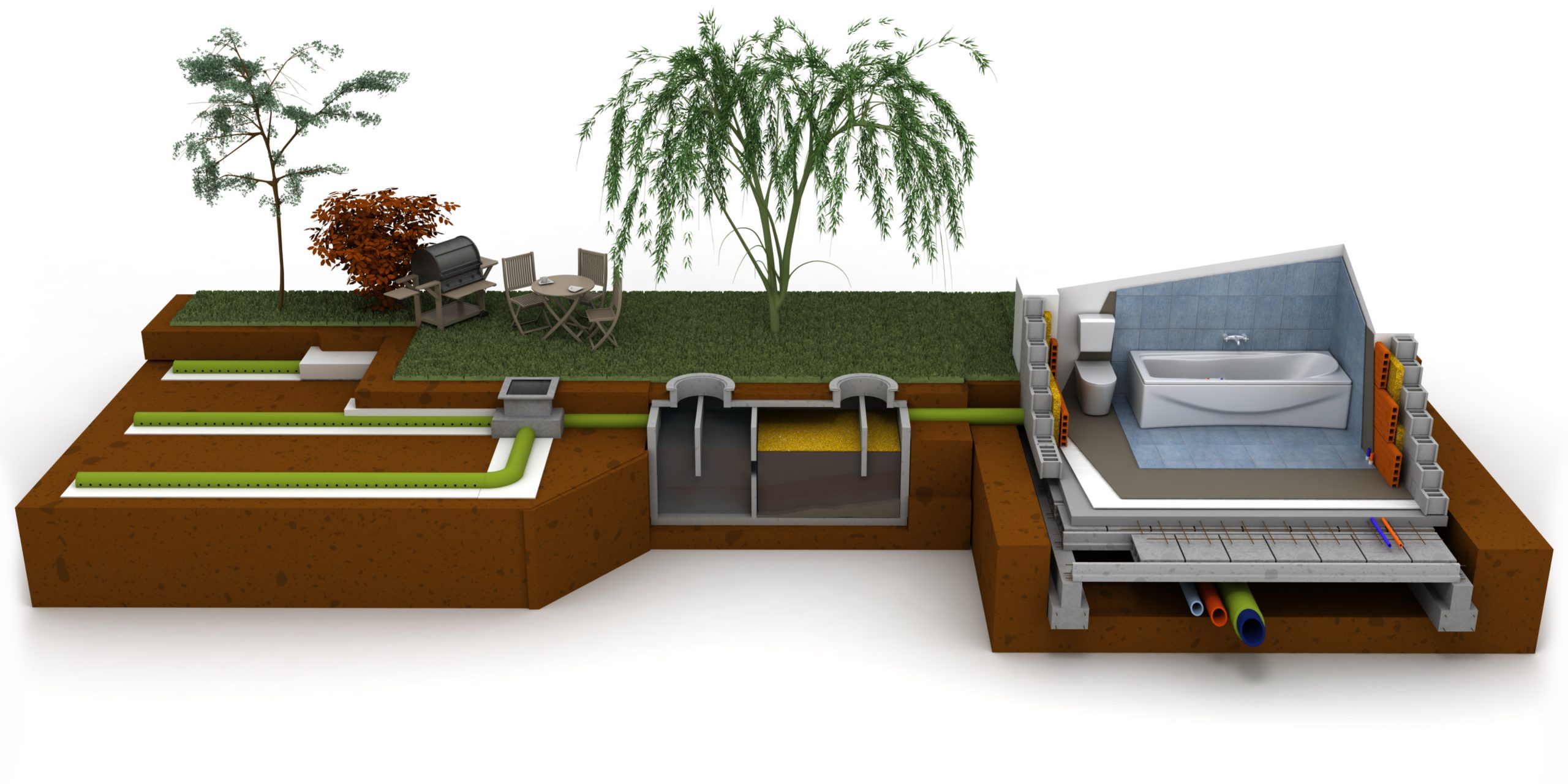
The role of sewer lines it to carry sewage from the drains into the septic tank. In the septic tank, solid waste is broken down over time by natural bacterial processes. As it is broken down, the waste settles to the bottom. Liquid waste remains in the top and middle portion of the tank, and is sent either by the force of gravity or by an electric pump to the drainfield.
At the drainfield, liquid waste (effluent) is distributed into the ground where it is filtered by the natural properties of the soil. Much planning goes into drainfield development to ensure that the soil will properly handle the volume of liquid waste going into it.
Consequences of Failing to Pump a Septic Tank – Avoid Emergency Septic Pumping Situations
When a septic tank is not pumped out regularly, eventually solid waste ends up filling the tank, making it impossible for the natural decay processes to take place and pushing solid waste down the system where it’s not meant to be. This not only can cause significant damage to the drainfield components, but also makes septic tank pumping significantly more difficult. A septic tank pump truck works best when the ratio of solid to liquid waste is 30% or less – more than this, and additional measures may be required to get the tank fully clean.
This means that the consequences of failing to pump a septic tank on time are usually more money out of your pocket, and perhaps a gross mess. Dealing with a septic tank situation may be the last thing you’re wanting to spend time on right now, but it’s not something you can afford to put off.
Our team tries, if possible, to be to your property within a day for septic tank pumping. If you have an emergency situation, we will do everything we can to be there on the same day. Give us a call to schedule our emergency septic pumping services now.
How to Tell When a Septic Tank Needs to be Emptied
The easiest and wisest course of action is to use a table such as the one below to regularly schedule the pumping of your septic tank.
Septic Tank Pumping Frequency in Years
Household Size
Number of Occupants
| 1 | 2 | 3 | 4 | 5 | 6 | 7 | 8 | 9 | 10 |
Tank Size
(Gallons)
Septic Tank Pumping Frequency (Years)
| 500 | 5.8 | 2.6 | 1.5 | 1.0 | 0.7 | 0.4 | 0.3 | 0.2 | 0.1 | – |
| 1000 | 12.4 | 5.9 | 3.7 | 2.6 | 2.0 | 1.5 | 1.2 | 1.0 | 0.8 | 0.7 |
| 1500 | 18.9 | 9.1 | 5.9 | 4.2 | 3.3 | 2.6 | 2.1 | 1.8 | 1.5 | 1.3 |
| 2000 | 25.4 | 12.4 | 8.0 | 5.9 | 4.5 | 3.7 | 3.1 | 2.6 | 2.2 | 2.0 |

However, if tables aren’t your thing, there are other, less convenient ways to tell that your septic tank needs to be pumped. Unfortunately, when many of these things happen, you won’t have much time to get your septic tank serviced, so keep our number handy!
- Visual Inspection
- In the case of septic systems with easy-to-access septic tanks, brave homeowners can go check the level of sewage in the tank themselves. Of course, this is not very helpful if you don’t know what it looks like for your septic tank to be “full.” We may be able to help you perform a successful visual inspection if you give us a call.
- Backed-Up or Gurgling Drains
- This is a commonly occurring sign of a backed up septic system. When plunging doesn’t seem to help, it is entirely possible that the backup in your toilet is caused not by the toilet itself but by the septic tank needing service. If this is the case for you, call us today!
- Alarms
- Many systems are equipped with alarms, whose function is to indicate a mechanical failure in the tank. If you hear an alarm on your septic tank going off, it may mean that you have had a pump system failure.
Additives Are No Substitute for Regular Septic Tank Pumping
MYTH: Adding bacteria to a septic tank will reduce the need for pumping.
FACT: Bacteria are essential to breaking down solid waste so it can settle to the bottom of a septic tank. However, all the bacteria you could ever want are already present in the tank to do that job. Our experience shows us that there is no observable difference between homes that add bacteria to their septic tanks and those who do not. Additives, therefore, are not a valid way to delay the regular maintenance of your septic tank. The solids that could wreak havoc on your system will remain in the tank until they are pumped out.
MYTH: Adding bacterial cultures to a septic tank is necessary after long periods of disuse.
FACT: While it is true that if not used for a long time, bacterial levels in a septic system will be depleted, it is not true that they need any help being re-established. When a septic system begins to be used again, bacterial levels will quickly return to normal all on their own.
Pumping Commercial Holding Tanks
Some Beavercreek commercial properties rely on holding tanks because sewer access is not available or a full septic system does not fit the site. Those tanks need waste removed and hauled away for treatment. Byers Septic Service has pump trucks equipped for waste removal needs, and scheduling service helps keep access and operations clear.
Frequently Asked Questions about Beavercreek Septic Tank Pumping Services
Where do you take the waste you pump from a septic tank?
Everything we pump goes to the county sewage treatment plant, same as it would if your house or commercial property were connected directly to the public sewer. Currently, we are applying for a permit to recycle the material we pump by treating it and using it as agricultural fertilizer, which would be a pretty exciting development.
How often should a septic tank be pumped?
The range on this service can be 1-30 years, depending on the number of people making use of the septic system and the size of the septic tank. See the information above for more details, or get in touch.
Do septic tank additives reduce the need for septic tank pumping?
Not at all. They might somewhat speed the decay of solid waste, but that will not substitute for regular pumping.
How long does it take to pump a septic tank from start to finish?
Generally about an hour, but this depends on factors such as ease of access, volume of the tank, and how long it’s been since the tank has been pumped last.
